Formed Catholics build a better world
Know the Faith Guiding Your Decisions.
You should not need a theology degree to understand your own Church.
Cathora helps builders understand Catholic teaching in plain English and connect it to real life, from business and technology to leadership, wealth, work and the everyday decisions you face.
“Thy word is a lamp to my feet, and a light to my paths.”
Explore the faith
Deepen your understanding of the Catholic faith.
Clear, practical, and faithful to the Church, built for real life.
Why We Do What We Do
Sacred Time
Catholic History
Church Teaching
Catholic for Builders
Why we do what we do
Know what you believe. Understand why. Live accordingly.
Every answer separates three things: what the Church teaches (with Catechism references), what is pious tradition, and what is Cathora's own application. Scripture is quoted from public-domain translations.
- What we do
- Why we do it
- Where it comes from
- What the Church teaches
- Scripture and the Catechism
- The Mass
Why does the priest mix water with the wine?
A drop of water is mingled with the wine to signify the union of Christ's divinity with our humanity, and the union of the Church with Christ in his sacrifice.
CCC 1412
- Saints
How does someone become a canonized saint?
Canonization is the Church's official declaration that a person lived heroic virtue (or died a martyr) and is in heaven, so they may be venerated by the universal Church. It recognizes holiness; it does not create it.
CCC 828
- Sacraments
What happens at Baptism?
Baptism washes away original sin and all personal sin, makes a person a child of God and a member of the Church, and marks the soul permanently as belonging to Christ.
CCC 1213 · CCC 1257 · CCC 1263
- The Mass
What happens at the Consecration? What is the Real Presence?
Through the words of Christ spoken by the priest and the power of the Holy Spirit, the bread and wine become the Body and Blood of Christ — really, truly and substantially — while their appearances remain.
CCC 1373 · CCC 1374 · CCC 1376
- Mary
What is the Assumption of Mary?
At the end of her earthly life, Mary was taken up body and soul into heavenly glory — a share in her Son's Resurrection and a promise of ours.
CCC 966 · CCC 974
- Mary
What is the Immaculate Conception?
The Immaculate Conception means Mary was preserved from original sin from the first moment of her own conception, by a unique grace given in view of the merits of Christ her Son.
CCC 490 · CCC 491 · CCC 492
Sacred Time
Your company has a fiscal calendar. You have a liturgical one.
Advent, Christmas, Lent, the Triduum, Easter and Ordinary Time; feasts, fasts, solemnities and saints. The Church's calendar quietly changes what Cathora lifts up throughout the year. Your business may operate in quarters. Your soul does not.
Now · Thursday, November 5, 2026
Thursday of the thirty-first week of Ordinary Time
Ordinary Time · Week 31 · liturgical color green
Ordinary Time: grow in the daily life of grace.
What this season lifts up
- Advent
- Christmas
- Ordinary TimeNow
- Lent
- Triduum
- Easter
Saints for builders
Holiness in every kind of work.
Today: St. Elizabeth, Mother of John the Baptist
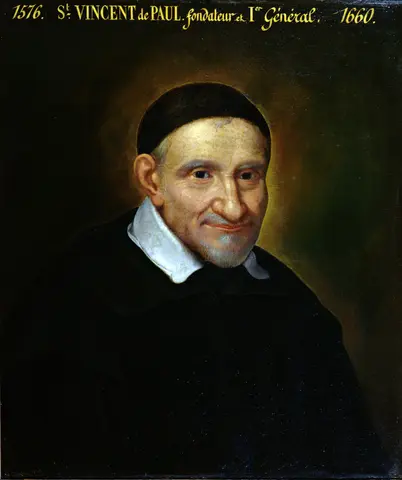
charitable societies · volunteers
St. Vincent de Paul
Vincent was a builder of institutions: he recruited talent, delegated real authority to lay volunteers and women religious, raised funds from the wealthy, and designed structures that outlived him by centuries. He shows that organization and administration can be works of mercy when they exist to reach people who would otherwise be forgotten.
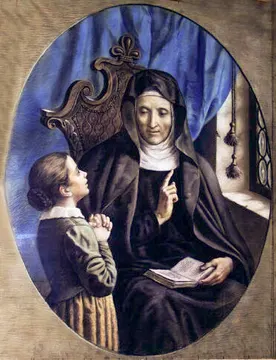
the Ursulines · teachers of girls
St. Angela Merici
Founded something without precedent, adapted to the real needs of her city, and trusted it to grow after her.
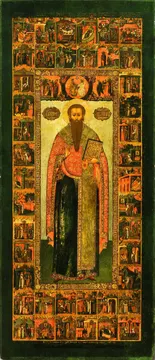
Cappadocia · monks
St. Basil the Great
Basil turned charity into an institution: he planned, funded and ran a hospital, hospice and poorhouse that outlived him, while also writing the rules that organized monastic communities. He is a patron for anyone who builds lasting structures to serve people.
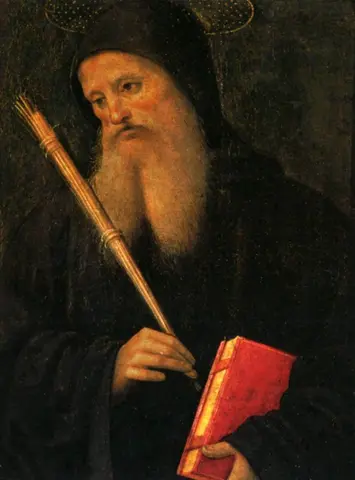
Europe · monks and nuns
St. Benedict
The Rule of St. Benedict is one of the most enduring organizational documents ever written: it sets clear roles, builds consultation into leadership (the abbot must hear even the youngest), orders time, and integrates work and prayer. Leaders designing culture, operating rhythms, or governance still learn from it.
On this day · November 5
Catholic history
Nothing recorded for today yet. Coming up:
Nov 18 · AD 1626
The new St. Peter's Basilica is consecrated
The work of Bramante, Michelangelo, Maderno and others, it became the great church of Catholic Christendom above the tomb of St. Peter.
Nov 18 · AD 1965
Vatican II promulgates Dei Verbum
It taught that Scripture and Tradition flow from the same divine source and encouraged all the faithful to read the Bible.
Nov 21 · AD 1964
Vatican II promulgates Lumen Gentium
Its fifth chapter on the universal call to holiness taught that all the faithful, in every state of life, are called to holiness.
Faith for real decisions